Sprained Ankle Still Hurts After 2 Weeks?
This article is for active adults, athletes, or anyone recovering from an ankle injury who’s wondering why their sprain still hurts weeks later.
This article is for active adults, athletes, or anyone recovering from an ankle injury who’s wondering why their sprain still hurts weeks later.
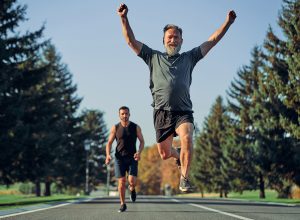
Being a weekend warrior is fun, energizing, and empowering. Here are 7 key injury prevention tips to help you stay active — and stay safe.
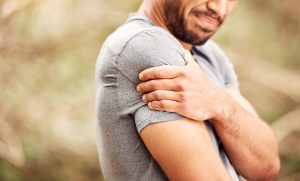
Learn about AC joint injuries & separated shoulders, their causes, symptoms, and treatment options, from mild sprains to severe separations.

Medically reviewed by Teddy S. Wolfson, M.D. As women age, maintaining muscle mass, bone density, and overall vitality becomes increasingly important. Strength training, often overlooked in favor of cardiovascular exercise, is a powerful tool that can significantly impact health and longevity, especially for women over 50. As orthopedic specialists who focus on the musculoskeletal system and its care, we encourage everyone to consider strength training as part of their overall fitness routine. This blog explores why incorporating strength training into your lifestyle is essential and how it can transform your body and how it ages. Why Strength Training Matters for Women Over 50 1. Preserving Muscle Mass As we age, our bodies naturally lose muscle mass—a process known as sarcopenia. This decline can begin as early as our 30s, accelerating after 50. Strength training is the most effective way to combat sarcopenia. By regularly challenging your muscles with resistance exercises, you can slow down or even reverse muscle loss, helping to maintain strength, balance, and mobility. 2. Enhancing Bone Density Osteoporosis, a condition characterized by weak and brittle bones, is a significant concern for aging women. The risk of fractures increases with age, particularly after menopause, when the decline in estrogen levels accelerates bone loss. Strength training places stress on the bones, stimulating the production of new bone tissue. This process can help maintain or improve bone density, reducing the risk of osteoporosis and fractures. 3. Boosting Metabolism Muscle tissue is metabolically active, meaning it burns more calories at rest compared to fat tissue. As you build muscle through strength training, your resting metabolic rate increases, making it easier to manage your weight. This is particularly important for women over 50, who often experience a natural slowdown in metabolism due to hormonal changes. 4. Improving Joint Health and Reducing Pain There’s a common misconception
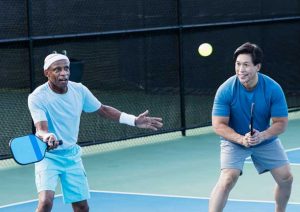
Medically reviewed by Dr. Michael Brand The rapid rise of pickleball, a fast-paced and exhilarating sport, has been remarkable. With its blend of tennis, badminton, and ping-pong, pickleball offers a unique avenue for recreation, athletics, and competition. However, like any physical activity, it comes with its share of risks, especially concerning bone, joint, and musculoskeletal injuries. Our orthopedic professionals recommend proper injury prevention techniques and treatment to avoid injury and maintain optimal health. The Most Common Pickleball Injuries Despite its relatively low-impact nature compared to other sports, pickleball can still lead to injuries, particularly in the joints and muscles. Common pickleball injuries include: Orthopedic Treatment for Pickleball Injuries Prompt evaluation and treatment are crucial for addressing pickleball-related injuries effectively. Orthopedic specialists play a pivotal role in diagnosing and managing these conditions. Here’s what patients can expect during their orthopedic care: Returning to Pickleball Safely: While the desire to return to the court may be strong, it’s essential to prioritize a gradual and controlled comeback. Light drills and gradually increasing intensity can help assess readiness and prevent re-injury. Communicating with your orthopedic physician or physical therapist allows for ongoing progress monitoring and adjustment of treatment plans as needed. Injury Prevention: What Doctors Wish People Knew About Preventing Pickleball Injuries Orthopedic doctors play a crucial role in treating pickleball injuries, and they often have valuable insights into preventing these injuries from occurring in the first place. Here are some key points that doctors wish people knew about preventing pickleball injuries: 1. Warm-Up Properly Doctors emphasize the significance of warming up before engaging in pickleball or any physical activity. A proper warm-up routine helps increase blood flow to the muscles, improve flexibility, and prepare the body for gameplay demands. Dynamic stretching, light cardio exercises, and joint mobilization techniques are essential to a good
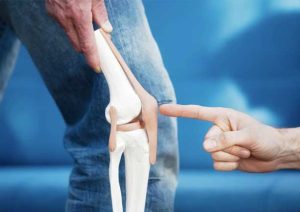
Quadriceps tendon repair is typically needed for individuals who have sustained an injury or tear in the quadriceps tendon. Read on to learn more about general post op protocols, what the best sleeping options are post op, when one can expect to walk and exercise post op, as well as tips on speeding up recovery. The quadriceps tendon is a thick, strong tendon that connects the quadriceps muscles in the thigh to the patella (kneecap). This tendon is essential for normal knee function and allows for movements such as running, jumping, and walking. Quadriceps tendon injuries can be sustained due to a number of reasons, including: Individuals who may require quadriceps tendon repair often experience symptoms such as severe pain, swelling, difficulty walking or extending the knee, and a noticeable gap or indentation above the patella where the tendon has torn. Quadriceps tendon surgical repair is typically recommended for individuals who have significant tears or complete ruptures of the tendon. What does typical Quadricep tendon repair post op protocol look like? The postoperative recovery for Quadricep tendon repair may vary depending on the surgeon’s preferences, the extent of the injury, and individual patient factors. A general outline of a typical postoperative protocol for quadriceps tendon repair looks something like this: Immobilization Following surgery, the knee is usually placed in a hinged knee brace or a cast to protect the repair and promote healing. The immobilization period may last for several weeks, during which weight-bearing is restricted or completely prohibited. Ice and Elevation Ice therapy and elevation are commonly recommended to reduce pain, swelling, and inflammation. Ice packs or using an ice machine can be applied to the surgical site for 15-20 minutes at a time and elevating the leg above heart level can help in the early stages of recovery.
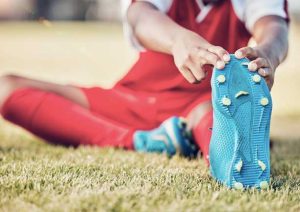
Medically reviewed by Angelo Ciminiello, M.D. Yes, children can get shin splints. Shin splints, also known as medial tibial stress syndrome, can occur in children who engage in activities that involve repetitive impact on the legs, such as running, jumping, or playing sports like soccer or basketball. Shin splints can be a common source of discomfort and pain for young athletes, but with proper knowledge and proactive measures, they can be effectively managed. In this article, we will explore the symptoms, causes, diagnosis, and treatment options for shin splints in kids. By understanding these key aspects, parents, coaches, and young athletes themselves can work together to ensure a safe and healthy sporting experience. So, let’s dive into the world of shin splints and discover how to keep young feet moving with confidence and comfort. Symptoms of Shin Splints The symptoms of shin splints in children may include: If your child is experiencing symptoms of shin splints, it’s essential to provide them with adequate rest and avoid activities that exacerbate the pain. Applying ice packs to the affected area and using over-the-counter pain relievers can help reduce inflammation and discomfort. Stretching and strengthening exercises prescribed by a healthcare professional may also aid in recovery. Causes of Shin Splints Overuse and repetitive stress: Engaging in high-impact activities, such as running, dancing, and jumping, without proper conditioning and gradual progression can strain the muscles and tendons in the lower leg, leading to shin splints. Sudden increase in activity level: A rapid increase in training intensity, duration, or frequency can overload the muscles and tissues in the lower leg, increasing the risk of developing shin splints. Improper footwear: Wearing shoes that lack proper support, cushioning, or do not fit well can contribute to the development of shin splints. Inadequate shock absorption can increase stress
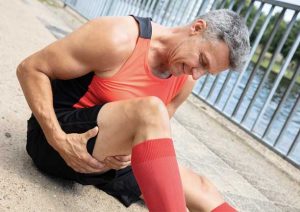
Medically Reviewed by Dr. Angelo Ciminiello Key Takeaways This guide is for active adults, athletes, or weekend warriors who suspect they’ve pulled their hamstring and want to know what signs to look for and what to do next. A hamstring strain, also known as a pulled hamstring, is a common injury that occurs when the muscles at the back of the thigh are stretched or torn. It typically happens during activities that involve sudden movements, excessive stretching, or forceful contractions of the hamstring muscles. The severity of a hamstring strain can range from mild to severe, affecting mobility and causing pain. Common causes of hamstring strains include inadequate warm-up, muscle imbalances, fatigue, and previous injuries. Factors like age, poor flexibility, and inadequate conditioning can also increase the risk. Recognizing the signs and symptoms of a pulled hamstring is important for diagnosis and appropriate treatment. 7 Signs of a Strained Hamstring A strained hamstring can be identified by several signs that indicate injury or damage to the muscles or tendons at the back of the thigh. Here are 7 key signs to watch for: 1. Pain One of the most common signs of a strained hamstring is pain in the back of the thigh. The intensity of the pain may vary depending on the severity of the strain. 2. Tenderness The affected area may feel tender to the touch. Gentle pressure on the hamstring muscles can elicit discomfort or pain. 3. Swelling In some cases, a strained hamstring may cause swelling around the injured area. The swelling may be localized or spread across a larger portion of the thigh. 4. Bruising If the strain is severe, it can lead to bruising around the hamstring muscles. The presence of bruising indicates internal bleeding or tissue damage. 5. Muscle Weakness A strained hamstring

Post-operative recovery following ACL reconstruction typically involves a rehabilitation program that includes a customized combination of physical therapy, exercises, and rest. The goal of rehabilitation is to regain range of motion, strength, and stability in the knee. This process can take several months and may include the use of crutches, bracing, and other assistive devices. Physical therapy is generally started within the first week or two after surgery and may continue for several months. It is important to follow your surgeon’s instructions and adhere to the rehabilitation plan to ensure the best possible outcome.

Now that temperatures are getting cooler, many of our patients halt their outdoor workout routines (running, walking, outdoor sports) to avoid the chilly temperatures. While it’s tempting to take the cold weather months off and simply curl up by the fireplace with a good book or binge a series, the truth is there are many benefits to working out in colder temperatures. What Are The Benefits Of Working Out In Cold Weather? Studies have shown that working out in colder temperatures can actually improve your endurance and boost your metabolism. This is because your body needs to work harder to perform in colder temperatures to generate enough heat to keep your muscles and organs warm. The result is burning more calories while performing the same tasks in warmer temperatures. While working out in the heat causes you to sweat and become exhausted more easily, cold-weather workouts usually enable you to go longer without those factors, allowing you to build endurance and stamina. Moreover, getting a dose of sunlight when working out outdoors provides a dose of Vitamin D and a release of endorphins, both of which improve your mood and can help fight against Seasonal Affective Disorder (which can cause depression in the darker winter months). Studies have also shown that people who exercise in the cold experience improvement in decision-making, focus, and memory. When is it too cold to exercise outside? While the ideal cooler temperature to work out in is around 50 degrees, the American College of Sports Medicine has stated that “exercise can be performed safely in most cold-weather environments without incurring cold-weather injuries. However, they recommend avoiding an outdoor workout in wind chill temperatures lower than -18 degrees. What are the best outdoor exercises in cold weather? All “cardio” or aerobic exercises like running, fast walking, jogging or
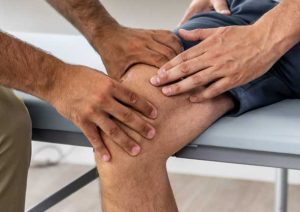
Did you know? The knee is one of the body’s most intricate joints. As the largest and most complex joint in the body, it joins together the thigh bone, shin bone, fibula (on the outer side of the shin), and kneecap. As it is essential for movement, the knee is also one of the most stressed joints in the body and is quite vulnerable to injury.

Medically reviewed by Angelo Ciminiello, M.D. Though common, not many people know the signs of concussions in children, which causes many cases to go unnoticed. Because children’s brains are still developing, they’re more at risk of experiencing severe side effects from getting a concussion, especially if that concussion goes undiagnosed or the child receives multiple concussions. What is a Concussion? A concussion is a type of traumatic brain injury caused by a blow to the head or a hard hit to the body that makes the head quickly snap backward or forward. These hits cause the brain to bounce or twist in the skull, changing the brain’s chemicals and stretching or damaging brain cells. Concussions can commonly occur while playing sports, and children can also get a concussion from a hard fall, a car or bicycle accident, or being in a fight. Concussions are serious injuries. While not normally life-threatening, you should be aware of the possible serious side effects that can occur. Signs of a Concussion in a Child The first sign of a concussion in a child is an accident. If your child has been struck on the head or taken a fall and presents any of the following symptoms, they might have a concussion. Signs may include: Some symptoms, like a worsening headache or trouble sleeping, can show up hours after the accident. If a child is reinjured before fully healing from a concussion, they risk longer lasting and more serious side effects. Caring for Concussions in Children Children heal from concussions at their own speed. Generally, they should start to feel better and begin to return to their normal activities after a few weeks. During the first days after a concussion, your child should avoid physical activity and remain at home doing calm tasks and avoiding

If you’ve been experiencing bothersome pain in your legs or feet, you should consider getting an orthotic. Orthotics provide fantastic foot support that can reduce discomfort and pain in your feet, legs, hips, and back. People young and old use orthotics to alleviate their discomfort. While some buy orthotics in the store, others choose to spring for a pricier custom orthotic. So, what’s the difference between the two? And are custom orthotics worth it? What Are Custom Orthotics? Custom orthotics are a medical device that you insert into a pair of shoes to support your feet, ankles, and legs as you walk. Custom-made orthotics are tailored to your feet, meaning they provide even more support by correcting unbalanced steps. They are used to treat a variety of conditions, such as: Orthotics also act as shock absorbers and help to prevent injuries, which is why many athletes use custom orthotics. The shock absorption technology that custom orthotics use reduces pressure and stress from the feet and ankles, which can lead to healthier joints in the long-term. Custom orthotics also do a better job at providing support than store-bought orthotics because they are tailored to your foot, height, size, weight, and medical condition. Is it Worth Getting Custom Orthotics? While a regular orthotic may cost between $50 and $200, custom orthotics are usually much more expensive — between $200 and $800. Although this seems like a lot of money, custom orthotics offer many benefits that store-bought ones do not; and they are much more effective. Why? The science of correcting your gait in a way that aligns and supports your foot, ankle, knee, and hip is very complex and extremely difficult. When you are being fitted for custom orthotics, the specialist will analyze each of these components to design an orthotic that
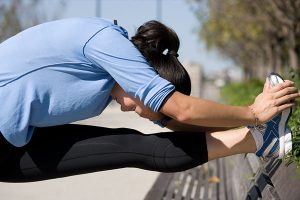
A hamstring refers to a solitary ‘string’ comprising three muscles – semitendinosus, semimembranosus, and biceps femoris – situated on the backside of your thighs. An injury or tear of your hamstring resulting from overloading or overstretching could lead to partial or total tearing of the muscles. Hamstring muscle injuries are prevalent in athletes and tend to be quite painful. Hamstring muscles are essential to movement. They enable you to bend your knees, and together with the quadriceps muscles (at the front of the thigh), they let you extend your knees. These important sets of thigh muscles are used for performing physical activities such as squatting, striding, and walking. Intense athletic activity such as training vigorously for a marathon or a racing competition puts athletes at great risk of suffering a hamstring sprain, strain or injury. Other possible risk factors for a hamstring tear or sprain include: How to Know if You’ve Pulled a Hamstring: Hamstring Injury Symptoms We thoroughly address how to know if you’ve pulled a hamstring, as well as signs of injury and self assessment techniques in the article “How to Know If You Pulled Your Hamstring”. Symptoms and signs of hamstring injury or sprain are based on the severity or extent of the injury, which can range from mild to severe. Mild tears cause minimal discomfort. However with a severe tear, you’ll struggle to perform everyday activities like standing, sitting or walking. A strain or sprain is graded based on the damage suffered by tendon fibers and muscles: Pulled Hamstring Treatment and Recovery Time Mild or minor injuries to the hamstring usually heal fairly quickly. To expedite the healing process, you can adopt the RICE (Rest, Ice, Compression, and Elevation) treatment method. It is the most popular therapeutic method for dealing with hamstring strains and sprains. This
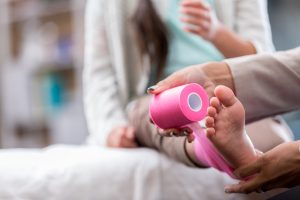
Urgent musculoskeletal issues are more prevalent than you might think Every day of the week, our board-certified orthopedic surgeons and physician assistants provide prompt emergency evaluation and treatment for unexpected injuries of one’s bones, muscles, joints or connective tissue. Visiting an orthopedic urgent care facility, such as OrthoCare Express, ensures that you will be seen by a trained orthopedic physician or physician assistant who specializes in issues and injuries to the musculoskeletal system. 7 Common Orthopedic Injuries Orthopedic injuries are more common than people realize, and with the help of a trained specialist you can avoid the emergency room and be promptly diagnosed and treated for your unexpected injury. The most common orthopedic injuries we treat at our OrthoCare Express offices in Danbury, Darien, New Milford, Norwalk and Westport, Connecticut fall under a few main categories: 1. Fractures When someone comes in with a broken bone it is either an open or closed break. The physician will evaluate and x-ray it onsite to diagnose and treat the fracture. If the break is an open one, it needs to be treated immediately. Closed fractures are the most common and require treatment to ensure the bone is set properly. We commonly see fractures of the hand and wrist, and foot and ankle at our acute urgent care facilities. 2. Soft Tissue Injury Many injuries occur to the tendons, ligaments and muscles which work to hold the body together. A soft tissue injury can happen to almost any part of the body and we frequently see soft tissue injuries to the knee, ankle, hand, wrist, and rotator cuff. While a soft tissue injury may seem more benign than a fracture, it can sometimes take more time to fully heal than a break. Our specialists treat soft tissue cases in the urgent care facility
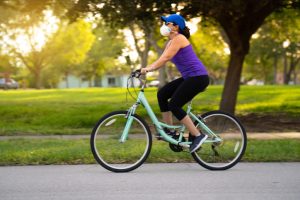
Athletes Need to “Rest and Test” After COVID-19 Before Returning to Exercise and Sports Athletes and weekend warriors, who have had COVID-19, will need to take special care and be cleared before resuming exercise, intense training and/or competitive sports. Why? Because COVID-19, a viral infection, can cause heart complications such as arrhythmia or myocarditis. Since many people don’t actually know if they had Covid-19 (many people are non-hospitalized, mildly symptomatic, asymptomatic, or pre-symptomatic), this warrants caution for everyone. So, what to do? I feel fine… is it okay to exercise again? Here are some thoughts on returning to exercise and sports, but you must consult with your physician and your cardiologist to be sure you are cleared to exercise: Exercise and physical fitness, especially outdoors now that the weather is good, can be an excellent way to improve health and emotional well-being following the pandemic outbreak and stay-at-home period. If you had Covid-19, be sure you are knowledgeable about any impact on your heart and be sure to have a cardiologist engaged that will monitor your heart health as you build your musculoskeletal strength. OrthoConnecticut Can Help Our physicians and physician assistants advise caution beginning exercise after COVID-19 and recommend consultation with a cardiologist about any cardiac conditions. For exercise advice or orthopedic concerns we’re here to help. Contact us today for an appointment and #getmovingCT!

Shoulder Labrum Tear Symptoms Do you feel aching pain in the front or back of your upper arm or shoulder? Do otherwise normal shoulder movements cause pain? Do you have less strength or less range of motion when lifting or throwing, or feel popping, grinding, catching, locking, or less stability when moving your arm? These are symptoms of a Shoulder Labrum Tear. What exactly is a shoulder labrum tear? A shoulder labrum injury, or dislocation, is an injury to the front or back ring of soft fibrous cartilage (called the labrum). The labrum surrounds the shoulder socket (glenoid) where the bicep tendon attaches to the upper arm bone (called the humerus). The labrum cartilage helps hold the head of the humerus in place and provides stability to the shoulder and upper arm. Three Types of Shoulder Labrum Tears Why a Shoulder Labrum Tear Happens How and why does this happen? Labral tears are difficult to prevent. People who experience this range from athletes to people 30 and over with overused and worn cartilage, to elderly with aging brittle cartilage. Younger people more often experience a labrum tear as a partially or completely dislocate the shoulder. What kinds of activities or accidents are prone to tears? Diagnosing Shoulder Labrum Tears What can you do for a shoulder labrum tear? It’s important to see your physician, or orthopedic surgeon, for proper diagnosis and treatment options. A physical exam may include: What tests are used in diagnosing? To help review the severity of the tear plus check for other possible shoulder issues, sometimes these tests are conducted: Treating Shoulder Labrum Tears Non-surgical steps are usually the first treatment option including: If surgery is necessary – what happens? Surgery, if required, has different options depending on level of tear or shoulder stability. For example:
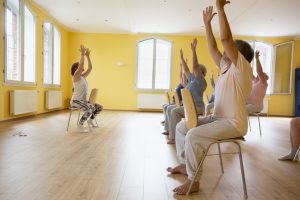
Anytime is a perfect time to make a resolution including moving more through exercise. Make an exercise plan that includes small, achievable goals that encourage and motivate you as you succeed. It takes 90 days to build a habit, so be sure to add the critical ingredient of patience to your mix of planning and activity. And be sure to include an attitude of flexibility, and adapt and change your exercise routines to keep them fresh and motivating. Combining different types of activities, such as Pilates with running, or yoga with cycling, can help you maximize muscle strengthening while bolstering your commitment. Here are some thoughts to consider. OrthoConnecticut Can Help Our physicians and physician assistants are available to help you if you need assistance with your exercise plan, getting advice for orthopedic or musculoskeletal limitations, or if you’ve injured yourself. Contact us today for an appointment and #getmovingCT.